

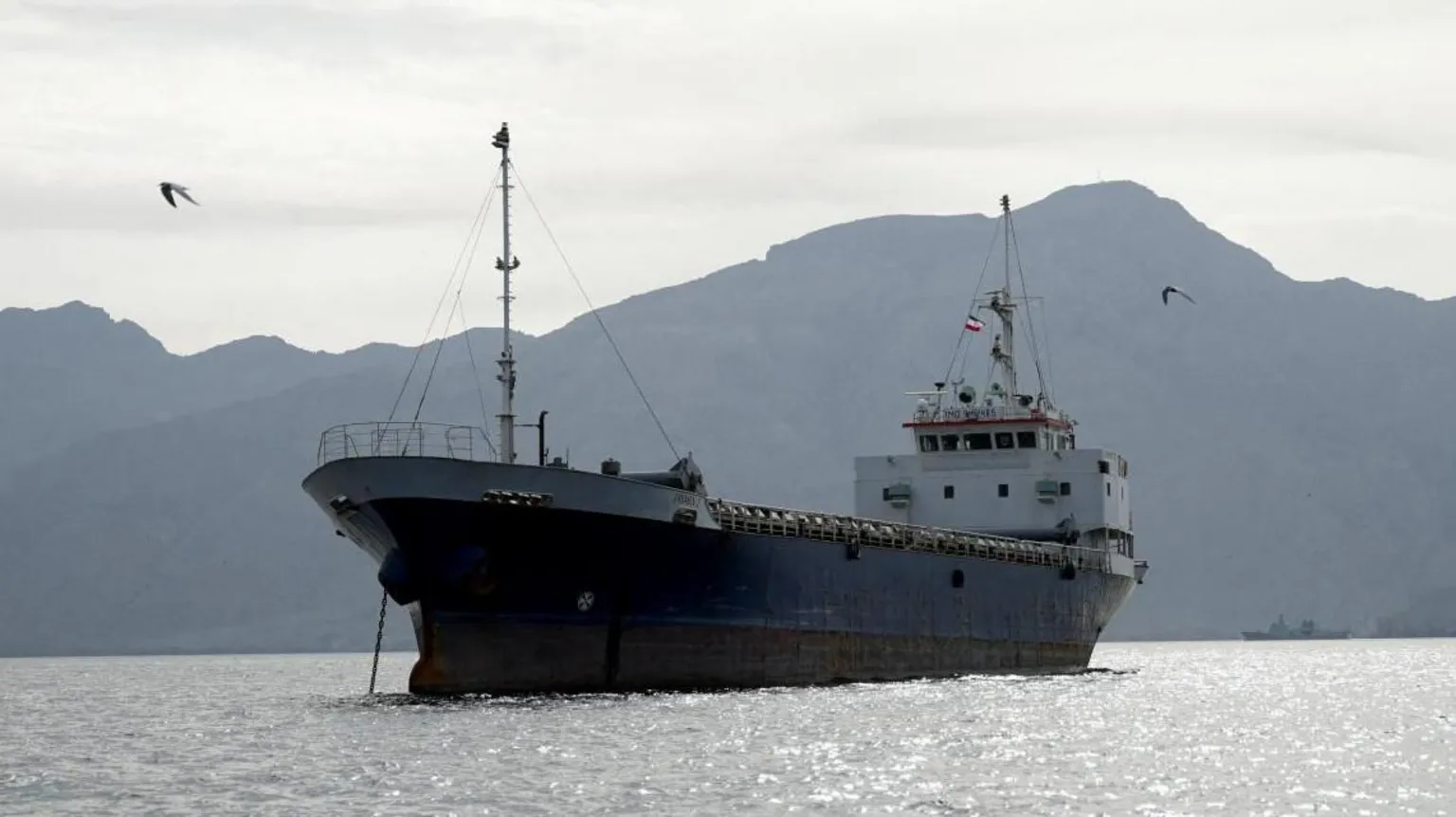
Global oil prices have surged above the $100 mark following escalating geopolitical tensions between the United States and Iran, as diplomatic efforts to revive peace talks collapsed abruptly. The sharp move in crude markets reflects growing fears of supply disruptions, particularly as reports suggest the U.S. is preparing strategic naval measures aimed at restricting Iranian oil exports.
Market analysts indicate that the potential blockade of Iranian ports could significantly tighten global oil supply chains. Iran, a key player in the energy market, exports millions of barrels per day, and any disruption is expected to send shockwaves across international markets. Traders have responded swiftly, driving prices upward amid uncertainty and speculative positioning.
Energy-dependent economies are likely to face immediate consequences, with rising fuel costs expected to increase inflationary pressures worldwide. Industries reliant on transportation and logistics may experience higher operational expenses, potentially impacting consumer prices across multiple sectors. Governments may be forced to reassess subsidy policies and strategic reserves to cushion the economic blow.
Meanwhile, investors are closely monitoring developments in the region, as further escalation could push oil prices even higher. Financial markets have already begun reacting, with energy stocks gaining momentum while broader indices show signs of volatility. Safe-haven assets are also seeing renewed interest as uncertainty grows.
Despite the tensions, some experts believe diplomatic channels may still reopen under international pressure. However, until a clear resolution emerges, oil markets are expected to remain highly volatile. The situation underscores the fragile balance of global energy security and the far-reaching impact of geopolitical conflicts on economic stability worldwide today.
