

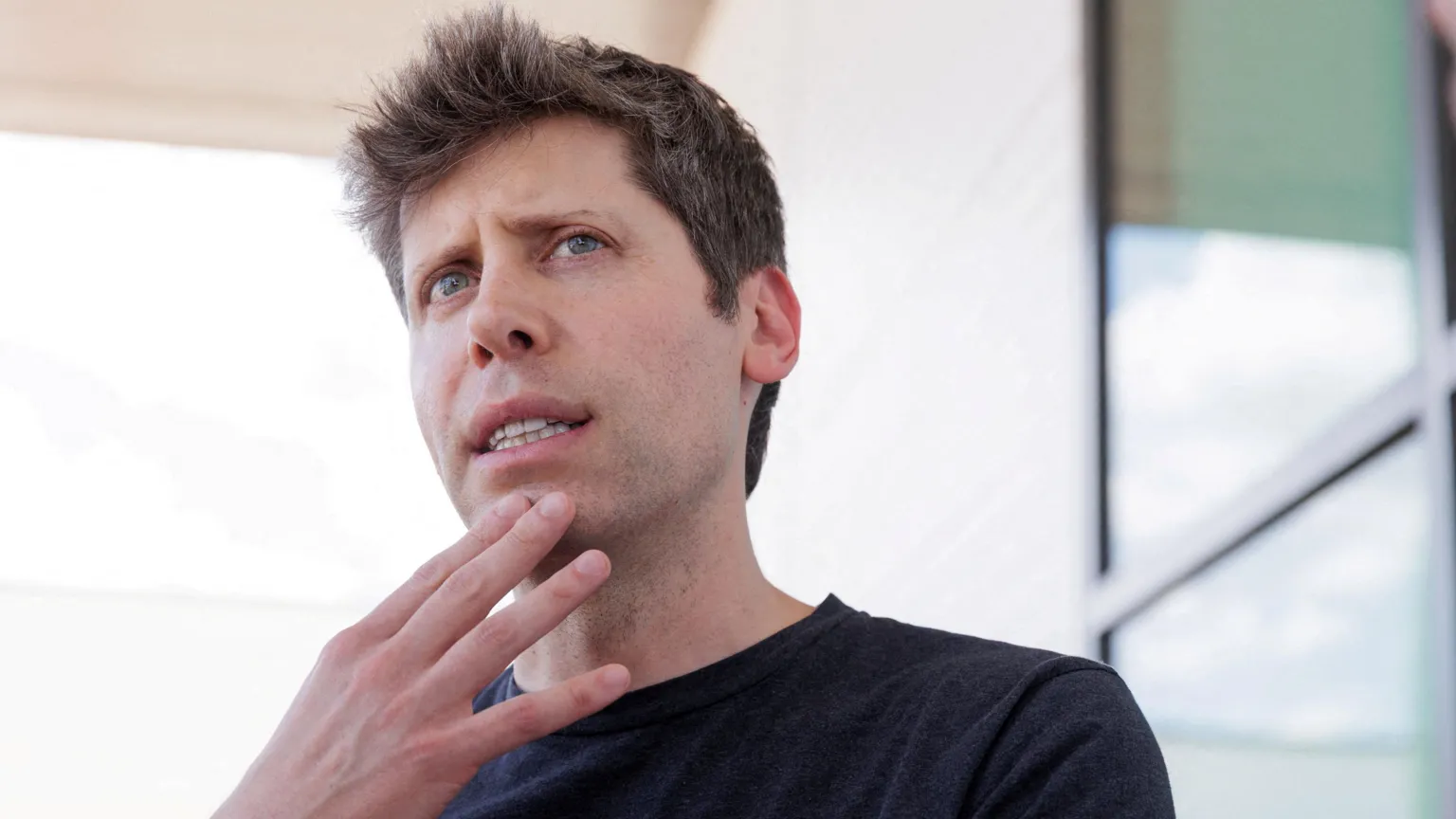
The San Francisco home of Sam Altman, chief executive of OpenAI, was targeted in a shocking early-morning attack involving a Molotov cocktail, raising serious concerns about the safety of prominent technology leaders amid rising tensions surrounding artificial intelligence.
According to authorities, the incident occurred before dawn when a suspect allegedly threw an improvised incendiary device at Altman’s residence, igniting a fire at the property’s exterior gate. Emergency services responded swiftly, containing the flames before they could spread further. Fortunately, no injuries were reported. (The Guardian)
Police later apprehended a 20-year-old suspect, who was also linked to threats made against OpenAI’s headquarters shortly after the attack. Investigators are continuing to examine the motive, though early indications suggest the act may be connected to growing public anxiety and opposition toward rapid advancements in artificial intelligence. (Business Insider)
The incident is not isolated. Within days, additional security threats—including reports of gunfire near the same residence—have heightened fears of escalating hostility directed at key figures in the AI sector. Authorities have since increased surveillance and security measures around both Altman’s home and OpenAI’s offices. (San Francisco Chronicle)
Altman himself has responded by calling for calmer public discourse, acknowledging that concerns around AI are real but emphasizing that violence is not a solution. The episode underscores a broader shift, where technological leadership increasingly intersects with public scrutiny, ideological divisions, and, in extreme cases, personal risk.
As artificial intelligence continues to reshape industries and societies, this incident highlights the urgent need for balanced dialogue—one that addresses fears without fueling conflict, and innovation without compromising safety.
